
STAINLESS STEEL 304
Metal
COST
Medium
OVERVIEW
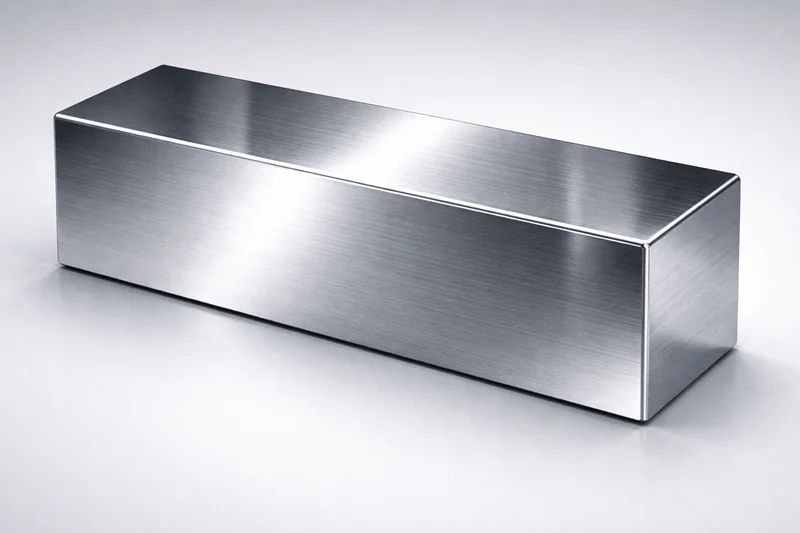
Stainless Steel 304 is the most common stainless steel alloy, offering excellent corrosion resistance, formability, and weldability. It contains 18% chromium and 8% nickel, providing outstanding durability in various environments.
MECHANICAL PROPERTIES
ADVANTAGES
LIMITATIONS
VISUAL PROPERTIES
COMPATIBLE MANUFACTURING PROCESSES
CNC MACHINING
CompatiblePrecision subtractive manufacturing: 3/4/5-axis milling, turning & Swiss turning. Tolerances ±0.025mm, part size 10mm–1200mm.
SHEET METAL FABRICATION
CompatibleLaser cutting, bending, welding & forming. Thickness 0.5mm–6mm, precision press brakes.
METAL CASTING
CompatibleInvestment casting, sand casting, die casting (aluminum & zinc). Post-casting machining available.
AVAILABLE FINISHES
COMMON APPLICATIONS
FOOD PROCESSING
Equipment, containers, piping, tanks
MEDICAL
Surgical instruments, implants, equipment
CHEMICAL
Tanks, vessels, heat exchangers
ARCHITECTURE
Facades, handrails, decorative elements
AUTOMOTIVE
Exhaust systems, trim, fasteners
MARINE
Boat fittings, propeller shafts
EXPLORE OTHER MATERIALS
ALUMINUM 6061
Aluminum Alloy
Aluminum 6061 is one of the most versatile and widely used aluminum alloys. It offers an excellent combination of good mechanical properties, weldability, workability, and corrosion resistance. This makes it ideal for a broad range of applications.
ABS PLASTIC
Engineering Thermoplastic
ABS (Acrylonitrile Butadiene Styrene) is a common thermoplastic polymer known for its toughness, rigidity, and ease of processing. It combines strength, heat resistance, and chemical resistance, making it ideal for both prototyping and production.
READY TO USE STAINLESS STEEL 304?
Upload your CAD files now and select Stainless Steel 304 as your material to get an instant quote.
GET INSTANT QUOTE